

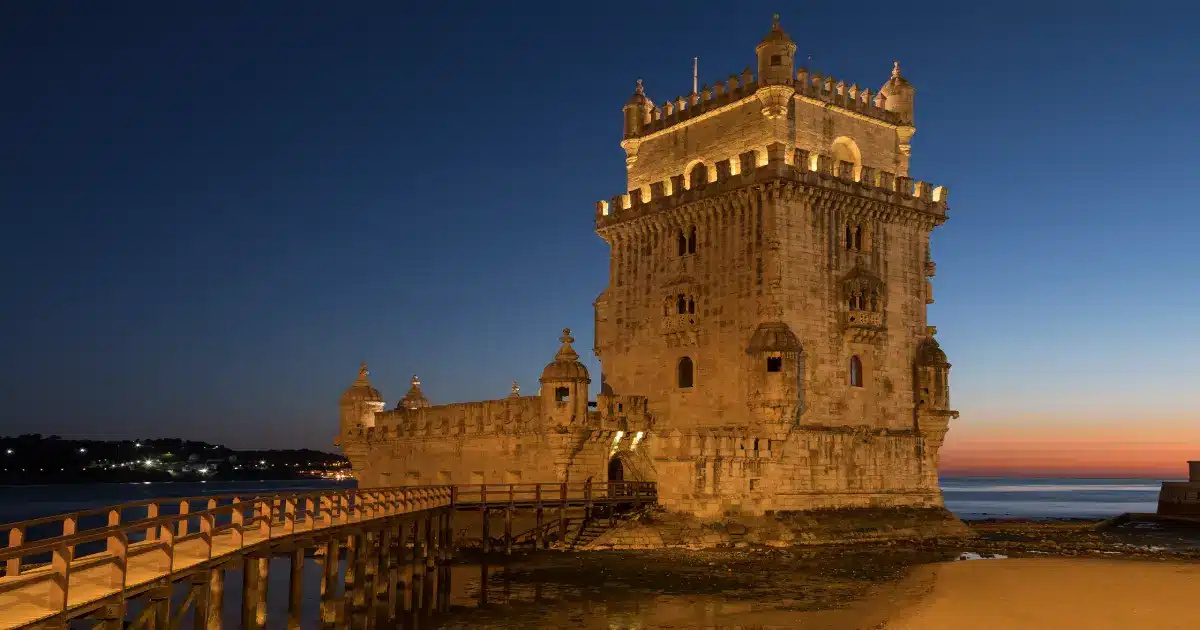

Perched proudly on the edge of Lisbon's Tagus River, Belém Tower stands as one of Portugal's most iconic historic gems and a true symbol of the country's Age of Discovery! With its stunning Manueline style, super-detailed stone carvings, sturdy defensive battlements, and captivating maritime history, this incredible monument is a huge hit with visitors from around the globe.
Built in the early 16th century, the Torre de Belém marks Portugal’s rise as a major global maritime power.
Today, the Belém Tower shines as a UNESCO World Heritage Site and stands out as one of Lisbon's most beloved and iconic must-see spots!
Whether you're hooked on European history, head over heels for architectural masterpieces, or just vibing with spectacular waterfront scenery, checking out Belém Tower is an unforgettable jump into Portugal's extraordinary past!
1. What Is Belém Tower?
Belém Tower is a historic fortified tower located in the Belém district of Lisbon, Portugal, near the mouth of the Tagus River.
Originally built as part of Lisbon's defensive line, this monument also served as a grand ceremonial gateway for ships entering and leaving the Portuguese capital!
Its strategic position allowed Portuguese forces to keep a watchful eye on all maritime traffic heading toward Lisbon from the Atlantic Ocean!
This tower perfectly blends military architecture with stylish decorative flourishes that celebrate Portugal's amazing maritime achievements!
Quick Facts About Belém Tower
| Feature | Details |
| Official Name | Tower of Belém |
| Portuguese Name | Torre de Belém |
| Original Name | Tower of Saint Vincent |
| Location | Belém, Lisbon, Portugal |
| Construction | 1514–1519, approximately |
| Commissioned By | King Manuel I |
| Architect | Francisco de Arruda |
| Architectural Style | Manueline, with Renaissance and Moorish influences |
| Original Purpose | Defense of Lisbon's harbor |
| Height | Approximately 30 meters |
| UNESCO Designation | 1983 |
| UNESCO Classification | Cultural World Heritage Site |
| Historical Significance | Portugal's Age of Discovery |
2. When Was Belém Tower Built?
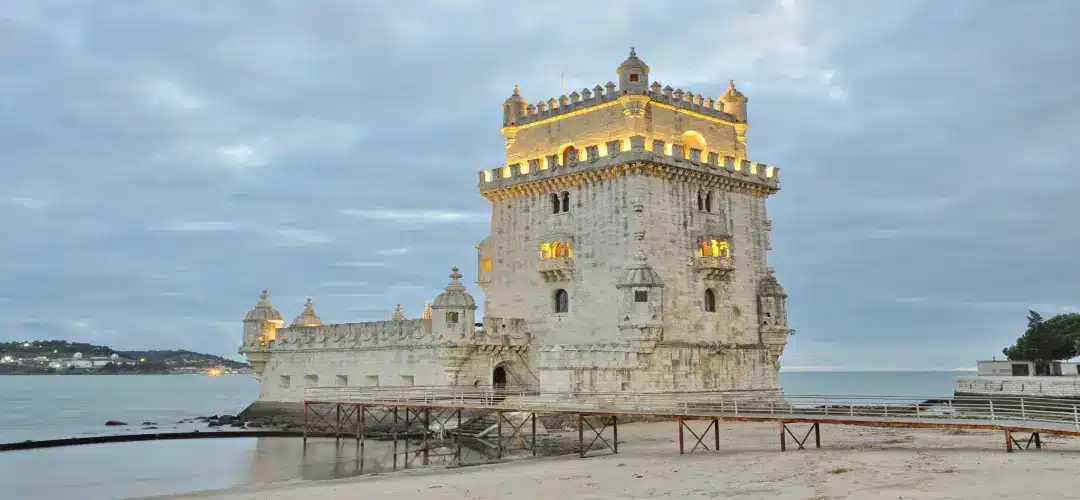
Construction of Belém Tower began around 1514 during the reign of King Manuel I, who ruled Portugal from 1495 to 1521.
Portuguese military architect Francisco de Arruda spearheaded the project, bringing his fortification expertise to give the tower's design a real edge!
Construction was wrapped up around 1519, though some historical accounts say it didn't cross the finish line until 1520!
This period represented the height of Portugal's maritime expansion.
Portuguese navigators had blazed incredible sea trails, linking Europe with Africa, Asia, and the Americas!
The tower was constructed during an era when Lisbon was becoming a major international trading center.
Its completion reflected Portugal's growing economic power, naval capabilities, and desire to protect its valuable maritime trade.
3. Why Was Belém Tower Built?
The main reason the Belém Tower was built was to significantly strengthen Lisbon's coastal defenses.
During the early 16th century, Portugal relied heavily on maritime trade, and Lisbon's harbor was essential to the kingdom's economic prosperity.
Ships transported spices, precious metals, textiles, and other valuable commodities through Portuguese trading networks.
Protecting the entrance to the Tagus River was therefore a strategic priority.
Belém Tower formed part of a broader defensive system that included fortifications along the river.
Its artillery positions let defenders target hostile vessels approaching Lisbon.
However, the tower served another important purpose.
Belém Tower was designed to symbolize Portugal's maritime power and welcome vessels arriving in the capital.
Its elaborate architecture demonstrated the wealth and prestige associated with Portuguese overseas expansion.
4. The Extraordinary Architecture of Belém Tower
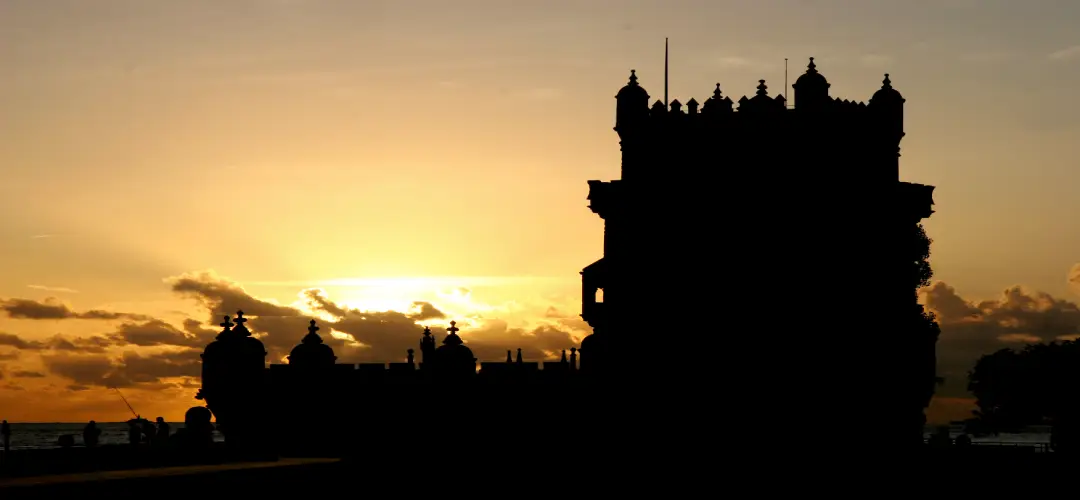
One of the monument's coolest highlights is its unique Manueline architectural style!
Named after King Manuel I, this Portuguese architectural tradition combines late Gothic design with Renaissance influences and elaborate maritime symbolism.
The tower features decorative stonework inspired by ropes, armillary spheres, religious symbols, and other navigation-related elements.
Its structure consists of a fortified bastion and a multi-story tower.
The lower bastion contains artillery positions designed to defend the river.
Above it, the tower features elegant balconies, ornate windows, and beautifully carved stone decorations.
Architectural Features Worth Discovering
The Defensive Bastion: A fortified platform containing cannon openings that once protected Lisbon's maritime entrance.
The Watchtower: A multi-level structure providing elevated views of the Tagus River and surrounding landscape.
Decorative Turrets: Distinctive corner structures influenced by Moorish architectural traditions.
The Rhinoceros Carving: An unusual stone sculpture believed to reference a rhinoceros brought to Portugal during the reign of King Manuel I.
The Royal Coat of Arms: Decorative elements celebrating the Portuguese monarchy and its maritime achievements.
Together, these features make Belém Tower an exceptional example of Portuguese architecture.
5. Belém Tower's Role During Portugal's Age of Discovery
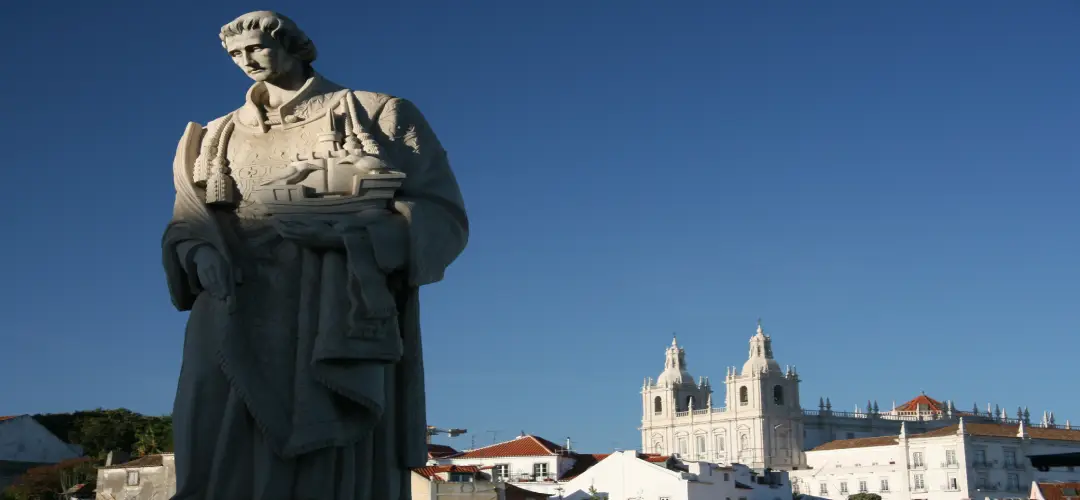
Belém Tower became a real star of Portugal's maritime exploration back in the 16th century!.
Portuguese navigators, including Vasco da Gama, helped establish maritime connections between Europe and distant regions.
Although Vasco da Gama's famous voyage to India began in 1497, before the tower existed, the monument commemorates the era of exploration that transformed Portugal.
The tower witnessed centuries of maritime activity, including merchant vessels, naval ships, and international trading expeditions.
However, this period also involved colonial conquest, exploitation, and the expansion of the transatlantic slave trade.
Understanding these historical realities provides a more complete perspective on the monument's significance.
UNESCO recognizes Belém Tower and the nearby Jerónimos Monastery for their exceptional architectural and historical importance.
6. How Belém Tower Changed Throughout History
Originally built for military defense, Belém Tower actually wore many different hats throughout its history!
As military technology evolved, its strategic importance gradually diminished.
The structure was subsequently used for administrative and military functions, including periods as a prison.
Over the centuries, the tower survived political changes, military conflicts, and transformations along Lisbon's waterfront.
Originally constructed on a small island in the Tagus River, it now stands much closer to the shoreline because of changes to the riverbank and surrounding land.
In 1983, UNESCO designated Belém Tower and Jerónimos Monastery as a World Heritage property.
More recently, the monument underwent substantial conservation work and reopened to visitors in May 2026.
7. What Can You See Inside Belém Tower?
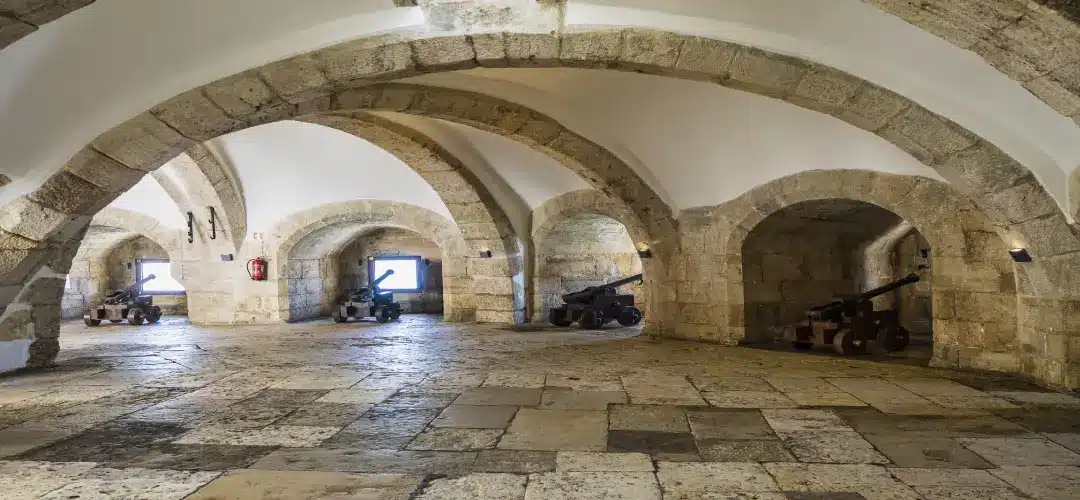
Step into the Belém Tower and explore amazing historic spaces that showcase its military and architectural secrets.
The lower bastion contains the former artillery chamber, where cannons defended Lisbon's harbor.
Above the defensive level, narrow staircases connect the tower's interior rooms and upper terraces.
Highlights include the Governor's Chamber, King's Chamber, Audience Chamber, and chapel.
The upper terrace offers spectacular views across the Tagus River, surrounding waterfront, and western Lisbon.
Because the building contains narrow staircases and confined spaces, access to upper levels may be challenging for visitors with mobility limitations.
8. Nearby Attractions Worth Visiting
Belém is one of Lisbon's most historically buzzing districts, packed with amazing spots just a quick stroll or a short hop away from the tower!
Jerónimos Monastery
One of Portugal's greatest architectural masterpieces, Jerónimos Monastery is another UNESCO World Heritage landmark.
Construction began in the early 16th century under King Manuel I.
Its magnificent cloisters, elaborate stonework, and historic church reflect Portugal's maritime wealth and religious traditions.
The monastery also contains the tomb of Vasco da Gama.
Monument to the Discoveries
Located along the Tagus River, the Monument to the Discoveries celebrates historical figures associated with Portuguese maritime exploration.
Its distinctive ship-shaped design features sculptures of navigators, monarchs, and other influential individuals.
The monument also provides excellent opportunities for waterfront photography.
Maritime Museum
The Maritime Museum explores Portugal's seafaring history through ship models, navigational instruments, historical exhibits, and maritime artifacts.
It offers valuable context for understanding Belém Tower's historical significance.
National Coach Museum
The National Coach Museum houses an extraordinary collection of ceremonial carriages associated with European royalty and aristocracy.
Its exhibits showcase elaborate craftsmanship, transportation history, and royal traditions.
MAAT – Museum of Art, Architecture and Technology
For visitors interested in contemporary culture, MAAT provides a striking contrast to Belém's historical monuments.
The museum combines innovative architecture with exhibitions exploring art, technology, and contemporary society.
Pastéis de Belém
No visit to Belém is complete without tasting Portugal's famous custard tarts.
The historic Pastéis de Belém bakery has been producing its celebrated pastries since 1837.
These attractions make Belém an excellent destination for an entire day of sightseeing.
9. Planning Your Visit to Belém Tower
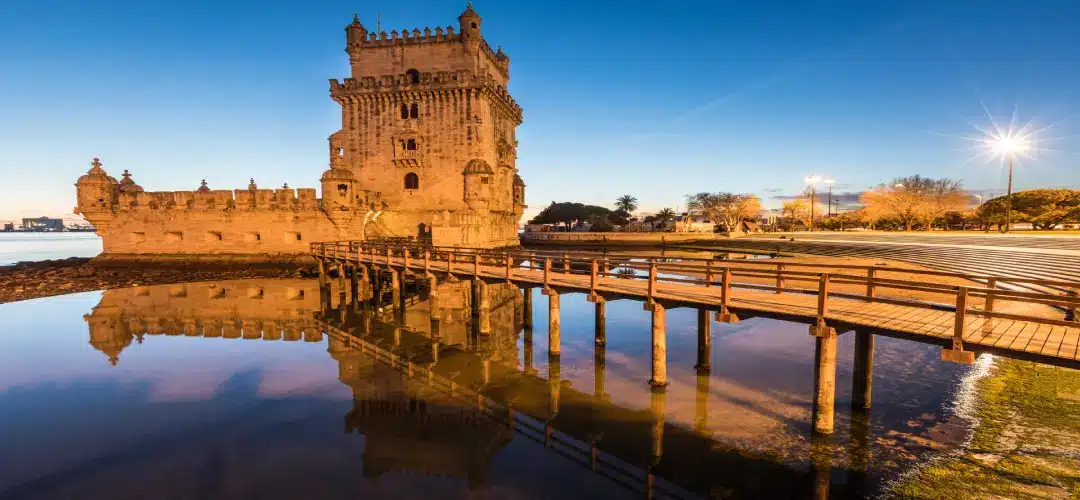
Belém Tower is approximately seven kilometers west of central Lisbon.
Visitors can reach the district by public transportation, including trams, trains, and buses.
The waterfront promenade also provides pleasant walking opportunities between nearby attractions.
Visiting tips:
- Arrive early to avoid peak sightseeing times.
- Allow approximately 45–60 minutes to explore the tower.
- Reserve additional time for the Jerónimos Monastery and nearby museums.
- Wear comfortable footwear for walking and climbing stairs.
- Visit around sunset for beautiful waterfront photographs.
As of October 2026, the official tourism website lists opening hours of Tuesday through Sunday, 9:30 a.m. to 5:30 p.m., with last admission at 5 p.m. The tower is normally closed on Mondays and certain public holidays.
Following its 2026 restoration, timed-entry arrangements were introduced to manage visitor numbers.
Check the official Belém Tower website before visiting for current admission information, tickets, and opening hours.
10. Why You Should Visit Belém Tower
Belém Tower offers an extraordinary combination of architectural beauty, maritime history, and cultural significance.
Few landmarks capture Portugal's transformation into a global maritime power as vividly.
Its magnificent stonework, strategic riverside location, and ties to historic voyages make it especially appealing to history enthusiasts.
The surrounding Belém district adds another dimension, allowing visitors to explore museums, monuments, gardens, and traditional Portuguese cuisine.
Whether you're spending several days in Lisbon or visiting for a short getaway, Belém Tower deserves a prominent place on your itinerary.
Final Thoughts: Discover the Magnificent Belém Tower
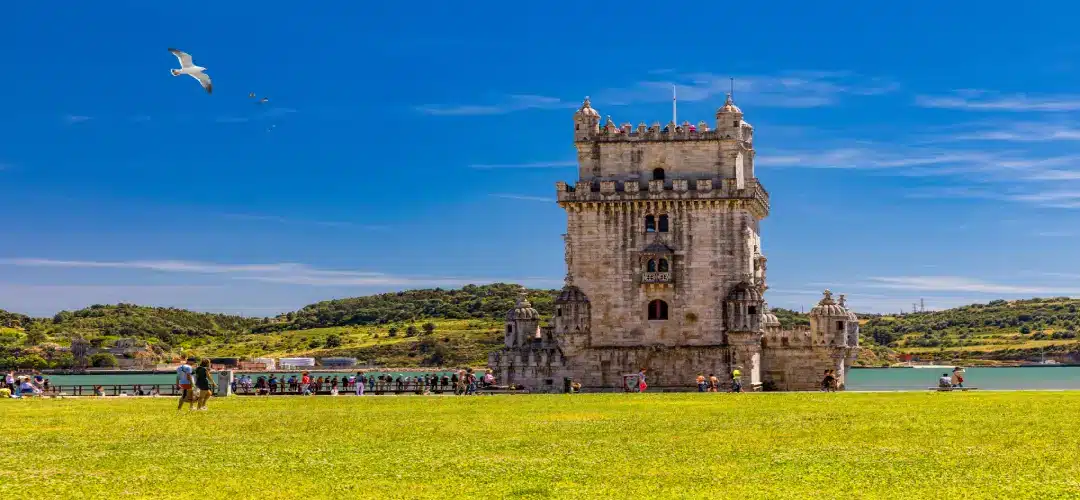
Belém Tower is much more than a beautiful historic fortress overlooking Lisbon's waterfront.
It represents an important chapter in Portugal's maritime history, architectural development, and global influence.
From its construction during the reign of King Manuel I to its recognition as a UNESCO World Heritage Site, the tower has remained an enduring symbol of Portuguese heritage.
Its remarkable Manueline architecture, fascinating defensive features, and extraordinary riverside setting make it one of Europe's most memorable historical landmarks.
Combined with nearby attractions such as Jerónimos Monastery, the Monument to the Discoveries, and Lisbon's Maritime Museum, a visit offers an unforgettable journey through centuries of history.

0 Comments