

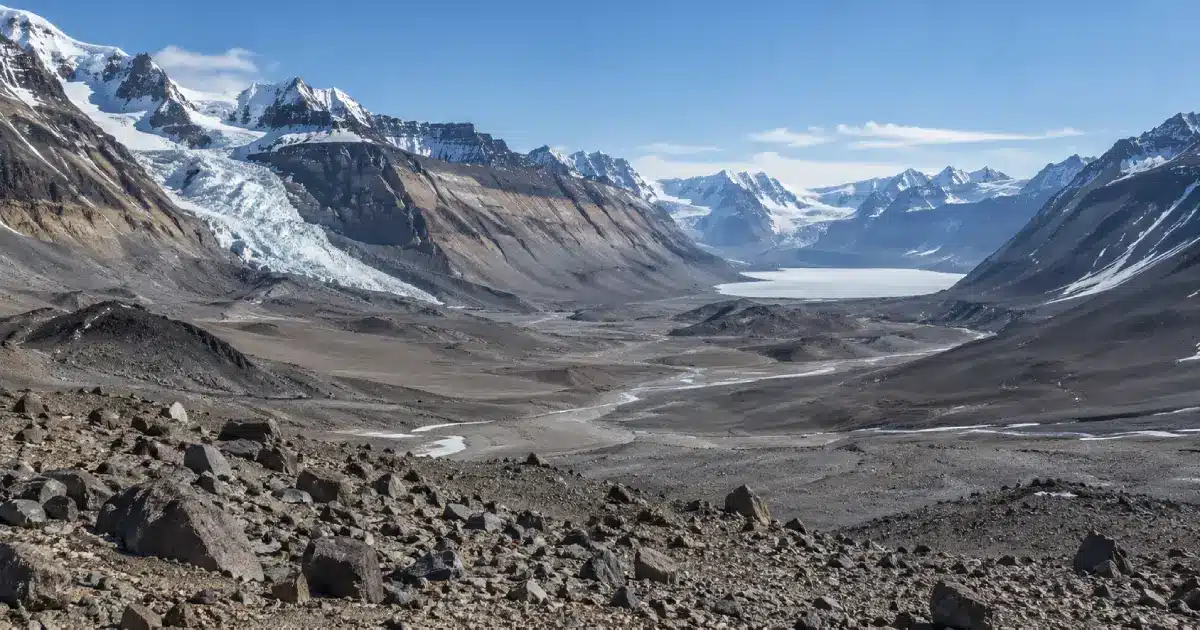

The McMurdo Dry Valleys stand out as one of Antarctica’s driest spots! Picture Antarctica without its signature snow blanket: instead, wide gravel valleys, jagged sculpted peaks, icy lakes, and glaciers tumble between rocky ridges. The McMurdo Dry Valleys reveal an unexpected side of the southern continent. While the scenery looks like it's straight off another planet, its rocks and incredible ecosystems tell stories that are deeply rooted in Earth’s own history.
The McMurdo Dry Valleys: A Polar Desert
This extraordinary polar desert is a super cool reminder that nature's wonders can totally surprise us with what's missing: hardly any snow, very little moisture, and almost zero visible greenery! Its beauty comes from bold contrasts, wide-open spaces, and life that keeps going even in such tough conditions.
Located in Victoria Land, East Antarctica
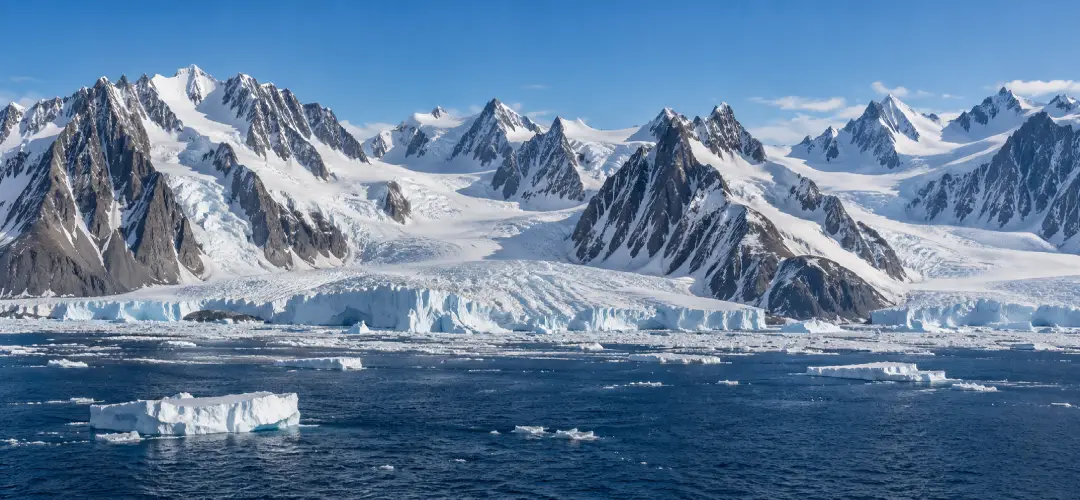
The McMurdo Dry Valleys are tucked away in Victoria Land, East Antarctica, just west of McMurdo Sound within the Transantarctic Mountains! Although travelers sometimes use a singular name, this wonder is actually a lively network of valleys rather than one giant depression. Taylor, Wright, and Victoria are the main valleys, joined by smaller basins and mountain corridors.
Located Near McMurdo Station and Scott Base
Right across McMurdo Sound, Ross Island hosts McMurdo Station and Scott Base. Geographically, these valleys are part of the Ross Sea region—quite a trek from the Antarctic Peninsula that most expedition cruises visit. Their remote location definitely makes reaching them a much more ambitious adventure! Australian Antarctic Data Center
An Enormous Wonder of Antarctica
The McMurdo Dry Valleys are a massive, ice-free playground covering about 5,000 square kilometers—though that number can shift depending on which landmarks you count! If you consider the broader McMurdo Dry Valleys area, the footprint jumps to roughly 17,500 square kilometers, including surrounding mountains and glaciers.
A Huge Stretch of Exposed Antarctic Earth
Since these figures measure different areas, don't mix them up. Even the smaller estimate marks a huge stretch of exposed Antarctic earth. With mountain ranges towering over 2,000 meters, the valley floors feel incredibly vast and grand! ICTAR, Antarctica New Zealand environmental assessment
The Dryness of the McMurdo Dry Valleys Explained
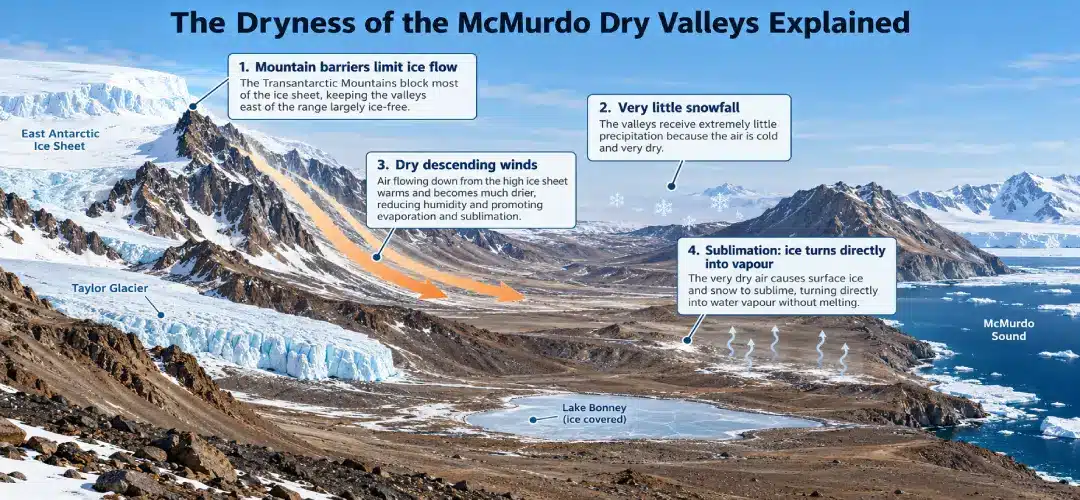
The McMurdo Dry Valleys' dryness comes down to a cool mix of geography and climate! The Transantarctic Mountains act like a giant barrier, keeping continental ice out of many valleys, while super-low precipitation means snow hardly ever piles up. Those dry winds—including rushing katabatic winds—speed up evaporation and sublimation (when ice turns straight into water vapor!). Still, "dry" doesn’t mean the place is totally empty of water or ice!
Discover Ice-Covered Lakes
Glaciers, permanently ice-covered lakes, and seasonal meltwater streams remain key parts of the landscape! During the brief summer, sunlight can release just enough meltwater to bridge habitats that usually stay frozen or tucked away year-round. ICTAR, United States Antarctic Program
The Unique Geology of McMurdo Dry Valleys
Geologically speaking, the McMurdo Dry Valleys are a cool mix of ancient basement rocks, sedimentary layers, and bold igneous intrusions! Granite and metamorphic rocks set the foundation, topped off by sandstones from the Beacon succession. Dark Ferrar dolerite sills slice right through these older rocks, creating super distinct bands across the mountains. These Jurassic intrusions formed during the massive breakup of Gondwana. The ridges put various geological eras on full display, all clearly exposed across this barren landscape! US Geological Survey, Journal of Petrology
A Region Shaped by Ice
Ice has also shaped this seemingly ice-free wonder! Ancient glaciers once carved and transformed the McMurdo Ice Valleys, leaving clues researchers use to map past ice movements. The wind keeps that momentum going, whisking sediment across the landscape and polishing exposed stones into stylish shapes called ventifacts. Look closer, and you'll find gravelly surfaces, salt deposits, and funky patterned ground adding tons of detail beneath those grand mountain views.
A Geological Scrapbook
It’s basically a giant outdoor geological scrapbook, where everything from a tiny pebble to a massive valley tells the story of how ice, wind, water, and time play together. For anyone who loves a good landscape, the little details right at your feet are just as captivating as the distant horizon! National Science Foundation
Discover Blood Falls
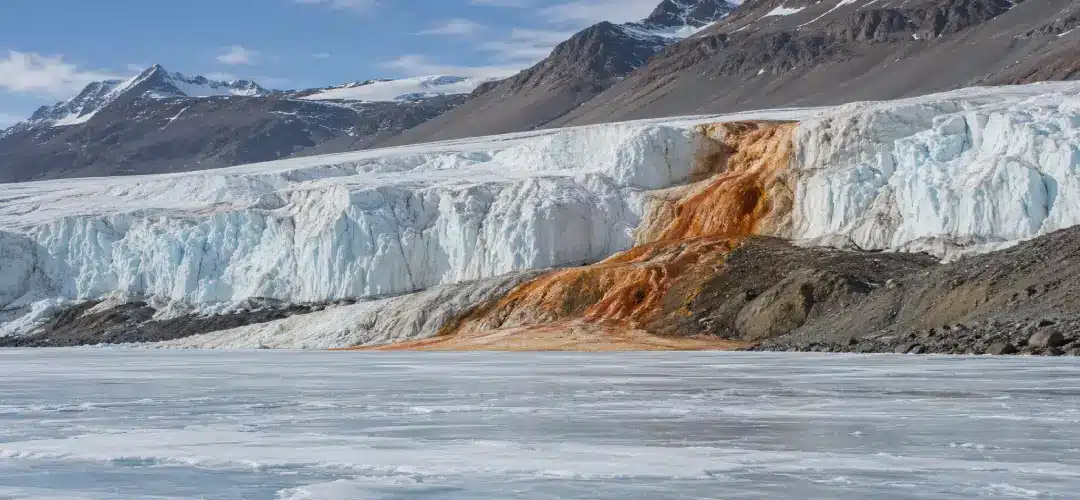
The McMurdo Dry Valleys feature Blood Falls at the terminus of Taylor Glacier, famous for its rusty color caused by iron-rich brine reacting with the surface. The discharge is episodic, not constant. Beyond its appearance, the site provides insights into isolated microbial habitats. Although it is a significant scientific landmark, its location and protected status mean it is generally not a tourist destination. Blood Falls research, Antarctic Science
Other Points of Interest
The desert and water share unexpected relationships. Taylor Valley features ice-covered lakes Bonney, Hoare, and Fryxell, while Canada Glacier marks where ice meets bare ground. In Wright Valley, the Onyx River flows inland to Lake Vanda. These elements form a functional polar water system, not a wasteland. However, their accessibility varies; regional highlights are not necessarily open to tourism. NASA, Australian Antarctic Data Center
How to Get There
Getting to the McMurdo Dry Valleys requires specialist expedition arrangements. For tourists, a Ross Sea voyage including helicopter operations is the most practical option. Before booking, confirm the itinerary, permissions, and potential additional charges, as scenic overflights differ from landings. These expeditions typically depart from New Zealand or Australia; standard Antarctic Peninsula trips do not reach this area. Additionally, research flights to McMurdo Station are not public transport. Australian Antarctic Program, Scenic expedition itinerary
When to Visit the McMurdo Dry Valleys
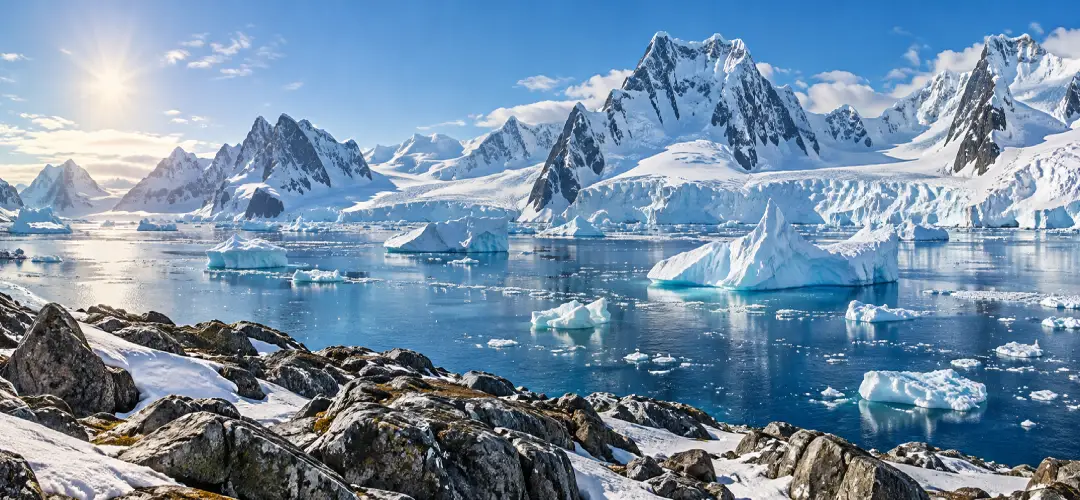
Travel to the McMurdo Dry Valleys occurs during the austral summer, though environmental and operational conditions can still limit access. All landings must adhere to management guidelines. Specifically, Taylor Valley has a designated visitor zone to protect its scientific and ecological value. Visitors must follow guides, clean equipment, and avoid disturbing the landscape. In this fragile desert, even minor disturbances can last decades, so move carefully at all times. Antarctic Treaty visitor guidelines, Antarctic Environments Portal
Why You Should Visit McMurdo Dry Valleys
Why swing by the McMurdo Dry Valleys? It’s a rare chance to see Antarctica through rugged, exposed rock, mind-blowing light, and the cool spot where glaciers meet the desert! These valleys are a total treat for anyone curious about geology, photography, or just how far life can push its limits. Plus, their chilly, bone-dry conditions are like a natural lab for researchers studying environments that feel a lot like Mars. A well-planned trip will definitely deepen your appreciation for both planetary science and protecting our planet.
Key Takeaways
Whether you're soaring above in an aircraft or stepping onto an authorized landing site, the McMurdo Dry Valleys deliver something truly unforgettable: a peek at Earth at its most surreal, where what looks like empty space is actually full of wonder, and every single view practically begs you to look closer at the forces shaping our world!. NASA


0 Comments